




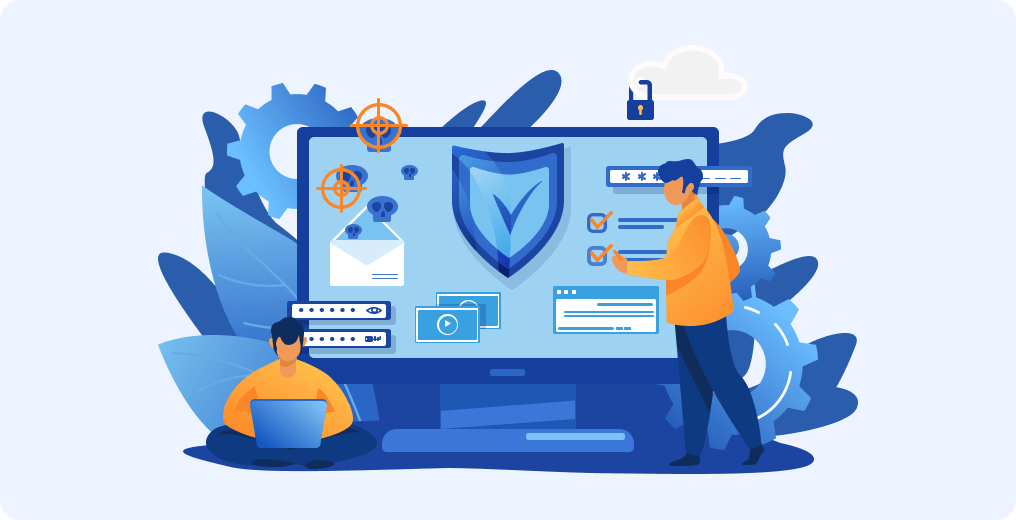
WordPress Website security is an indispensable part of building a website. Like every other asset you own, you have to make efforts to keep your website safe from any stealing, damage, hackers, etc. Just like we don’t leave our car or house open for anyone to enter, why our WordPress site? It’s quite sad that many owners don’t protect their websites, thinking that no one would hack their small business website, and hackers are just interested in established businesses. This is very far from the truth.
However, there are many WordPress website development companies like AvyaTech, who can do all the hard work for you, or you can consult any WordPress development services for that matter.
Despite all the hard work you’ve put in to launch your website, it can always get harmed even if you haven’t done anything wrong. But the good news is, these threats can be prevented if you pay attention to these tips and implement them for more security.
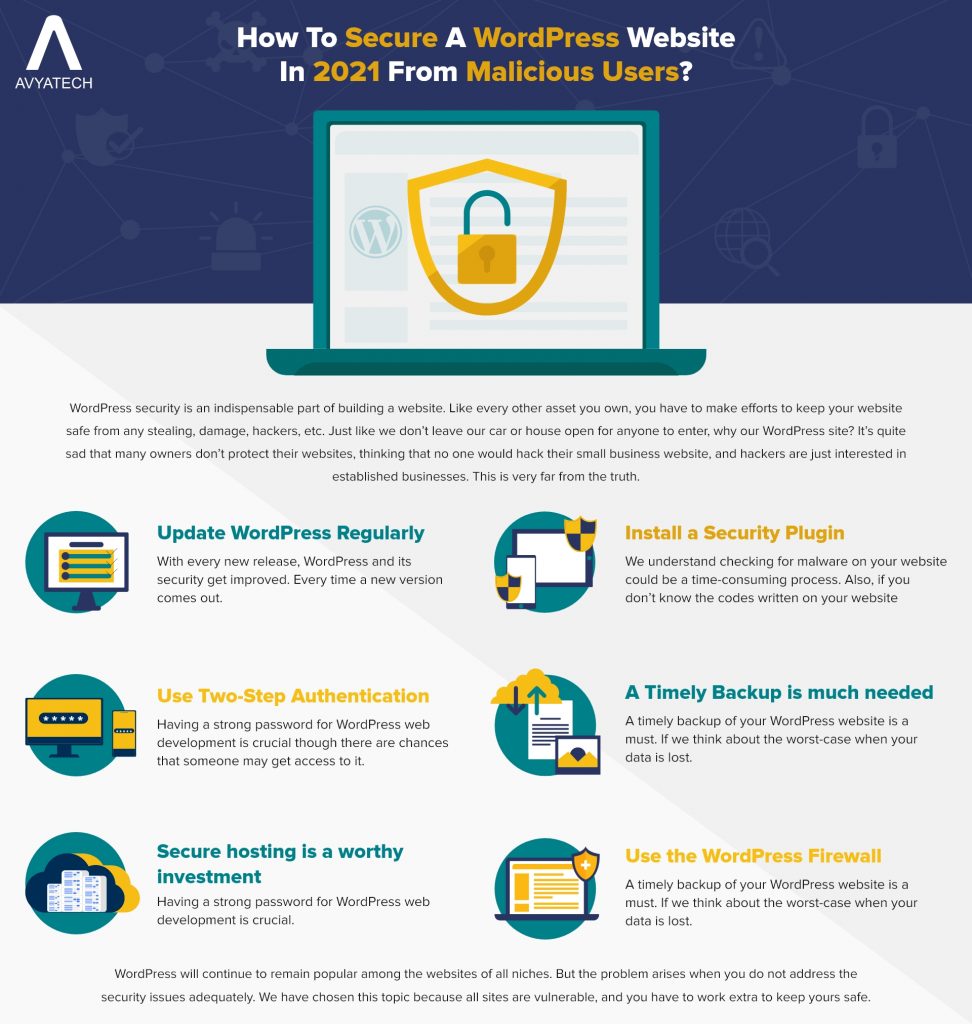
Table of contents
#1. Update WordPress Regularly
We understand checking for malware on your website could be a time-consuming process. Also, if you don’t know the codes written on your website, you won’t be able to know that you’ve found some malware on your website. But the bright part, this issue can be resolved when you use a WordPress Website security login as not everyone is a coding expert.
A security plugin scans your website 24*7 for any issues or malware and provides security to your website. You can do WordPress plugin development yourself with the basic and proper knowledge.
#2. Install a Security Plugin
We understand checking for malware on your website could be a time-consuming process. Also, if you don’t know the codes written on your website, you won’t be able to know that you’ve found some malware on your website. But the bright part, this issue can be resolved when you use a WordPress website security login as not everyone is a coding expert.
A security plugin scans your website 24*7 for any issues or malware and provides security to your website. You can do WordPress plugin development yourself with the basic and proper knowledge.
#3. Use Two-Step Authentication
Having a strong password for WordPress web development is crucial though there are chances that someone may get access to it. To handle such an issue, you should opt for two-step authentication as is the best solution.
Two-step authentication involves the password you need to enter to log in but also secondary data that could be a call, SMS, or one-time password. In major cases, this method is 100% secure. It’s because a hacker can’t crack both your password and secondary data.

#4. A Timely Backup is Much Needed
A timely backup of your WordPress website is a must. If we think about the worst-case when your data is lost, you can still get your content back in no time if you’ve taken timely backup. You can ask a WordPress website developer to take the backup for your website, or else starting from scratch will waste both your time and efforts.
#5. Secure Hosting is a Worthy Investment
Server-side security is a crucial aspect of keeping your site safe from hackers. That’s why you have to pay extra attention to pick a trusted hosting provider who takes your security seriously.
A good hosting company should provide the following :
- The latest operating system, software, and hardware
- Backups
- Malware scanning
- DDoS protection
- Managed WordPress core updates, among other things.
- Server-level firewalls
#6. Use the WordPress Firewall
Another measure you can use is setting up a web application firewall, also known as WAF. WAF is a line of defense that protects your website from attackers before they reach your site. WordPress plugins protect your website from attackers, brute force, and DDoS attacks.
Wrapping Up:
WordPress will continue to remain popular among websites of all niches. But the problem arises when you do not address the security issues adequately. We have chosen this topic because all sites are vulnerable, and you have to work extra to keep yours safe. You can install security plugins by yourself or consult any WordPress Plugin Development service. The tips we mentioned are tried and tested and will make your WordPress more secure and safe.